Published Security Reviews
Ramses publishes its available security reviews so users and integrators can inspect their scope, findings, and remediation details directly.
Ramses V3 Review
Security Competition
The Code4rena Ramses V3 CLMM contest report documents the competition scope, findings, and mitigations.
Ramses-Commissioned Shared-Code Reviews
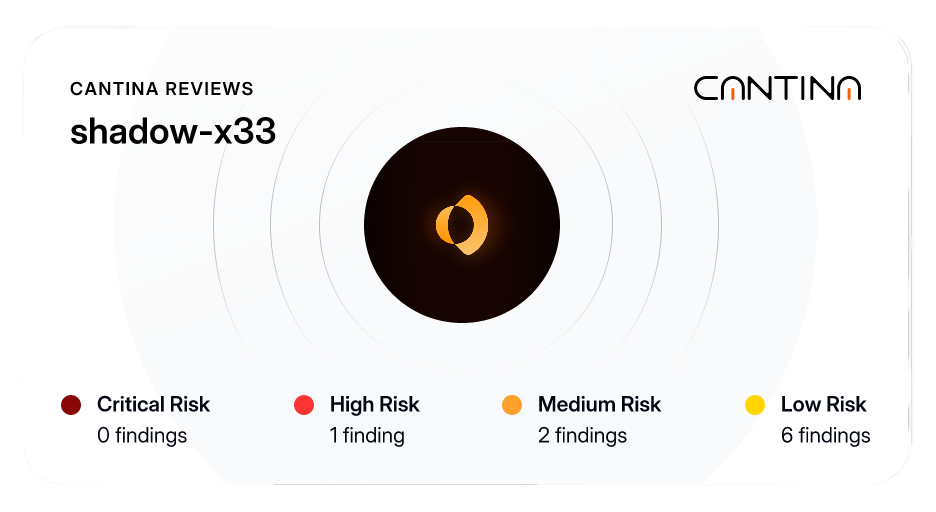
Ramses also commissioned the following reviews of Ramses-derived or shared core codebases used by other projects. The linked public engagement targets are Etherex Contracts and shadow-x33, respectively. These reports may inform Ramses' security work, but they are not Ramses deployment-specific audit reports.
Custody and Administrative Controls
Ramses V2 and V3 liquidity pools are noncustodial: AccessHub cannot arbitrarily withdraw an LP's deposits or transfer a user's V3 position NFT. A withdrawal still requires control of the relevant LP token or position NFT, or an approval granted by its owner through the normal pool and position-manager interfaces.
Noncustodial pools do not make the surrounding system immutable. Authorized AccessHub, multisig, and timelock paths can change protocol configuration—including fees and fee splits, gauge status, emissions, reward settings, token whitelists, tick-spacing availability, fee collection, designated dependencies, and some implementations. These controls can change the economic and governance conditions around a position even though they do not give administrators custody of that individual position.
AccessHub uses three primary roles in addition to functions restricted directly to the treasury multisig or timelock:
DEFAULT_ADMIN_ROLEcan grant and revoke AccessHub roles.PROTOCOL_OPERATORmanages gauges, emissions, rewards, whitelists, tick spacings, and several treasury, fee, and factory parameters.SWAP_FEE_SETTERmanages pool swap fees and participates in fee-split and dynamic-fee maintenance paths.
Role holders and the balance between multisig and timelock control are deployment-specific. Verify current addresses and permissions onchain before interacting with a deployment.